
Ledger.com/Start® | Getting Started™ | Ledger®
Ledger.com/start lets you explore Ledger tools for digital asset management, account access, price tracking, crypto transfers, and portfolio review.
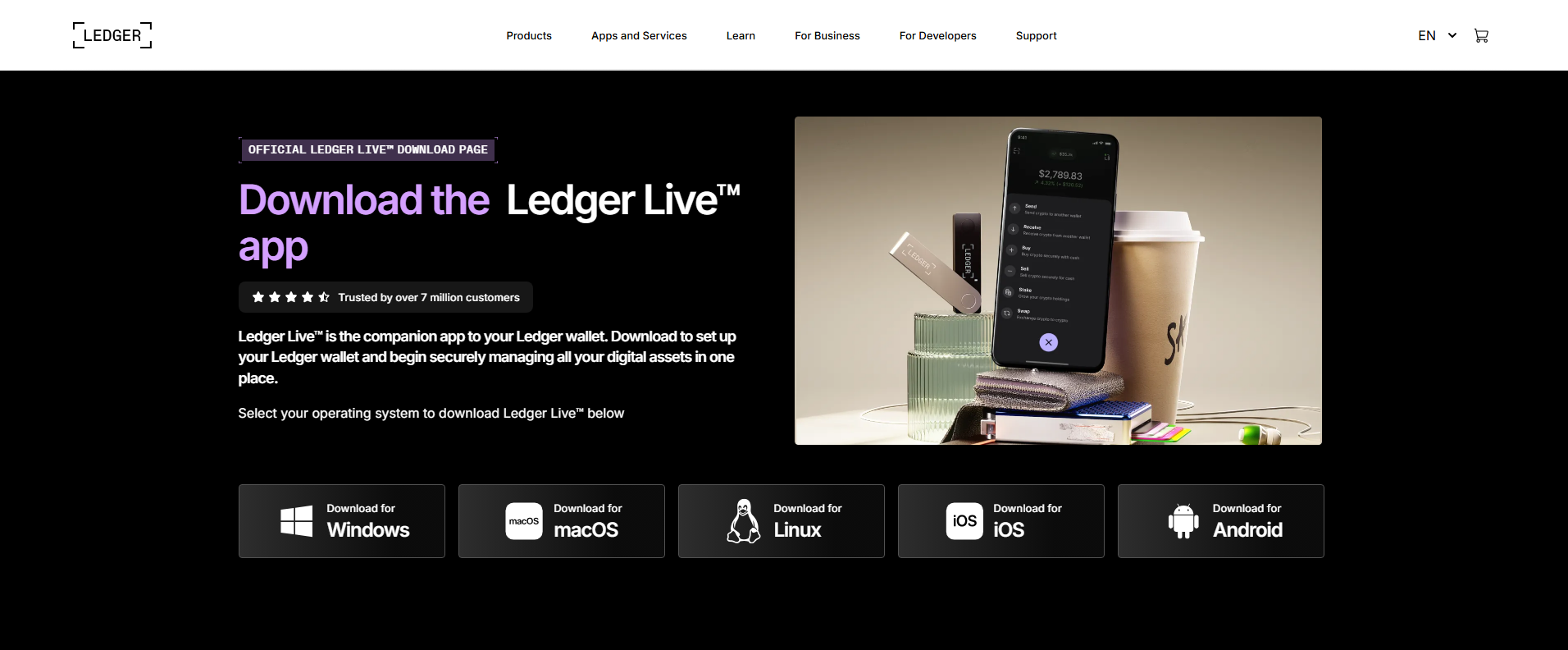
Ledger.com/start: Your First Step Into Self-Custody
Moving from an exchange-based crypto experience to self-custody can seem like a big step. With the right guidance, however, setting up a hardware wallet can become a straightforward process. Ledger.com/start gives new users a practical starting point for learning how to configure their Ledger device and begin managing supported digital assets.
Getting Started With Ledger
A hardware wallet is designed to keep the private keys used to authorize transactions protected by the device. During setup, users should pay close attention to every instruction and avoid taking shortcuts.
The initial process generally involves preparing the device, connecting it with the appropriate wallet software, and completing the required security steps. Once setup is finished, users can explore the available wallet features.
What Can You Do?
Depending on the supported asset and available services, the Ledger ecosystem can provide tools for several common crypto activities.
Users may be able to:
- View cryptocurrency balances
- Receive digital assets
- Send crypto to another address
- Swap supported assets
- Explore staking opportunities
- Review transaction activity
- Manage multiple supported assets
Feature availability can differ depending on the asset, device, application, and location.
Benefits of a Careful Setup
Taking your time during setup can prevent avoidable mistakes later. It also gives you a better understanding of how self-custody works.
A proper setup helps users become familiar with their device, wallet software, transaction approvals, and recovery information. This knowledge is especially valuable for people who are new to hardware wallets.
Protect Your Crypto
Security does not end after installation. Your Secret Recovery Phrase is one of the most important pieces of information associated with your wallet. Keep it private and offline.
Do not send your recovery phrase through email or messaging apps. Avoid storing it as a screenshot or uploading it to cloud storage. Be suspicious of anyone who asks for it, even if they claim to represent wallet support.
When sending crypto, carefully compare the recipient address and transaction details. If your Ledger device displays transaction information for confirmation, review it before approving anything.
FAQs
What is Ledger.com/start?
It is an official starting point for users setting up and learning to use a Ledger device.
Is a Ledger device the same as a crypto exchange?
No. A hardware wallet is designed around self-custody, while an exchange is a service for buying, selling, or holding assets through an account.
Can I recover my wallet if my device is lost?
Wallet recovery depends on correctly preserving the Secret Recovery Phrase. It should therefore be protected carefully and never shared.
Should I verify crypto transactions?
Yes. Always review transaction information carefully before authorizing a transfer.
Conclusion
Ledger.com/start can provide a useful introduction to setting up a Ledger device and understanding self-custody. Follow the official instructions carefully, protect your recovery information, and make transaction verification part of your everyday crypto routine.
Additional Resources
- Ledger device setup guidance
- Ledger Wallet resources
- Hardware wallet education
- Recovery phrase security guidance
- Crypto transaction safety information
Updated 1 day ago